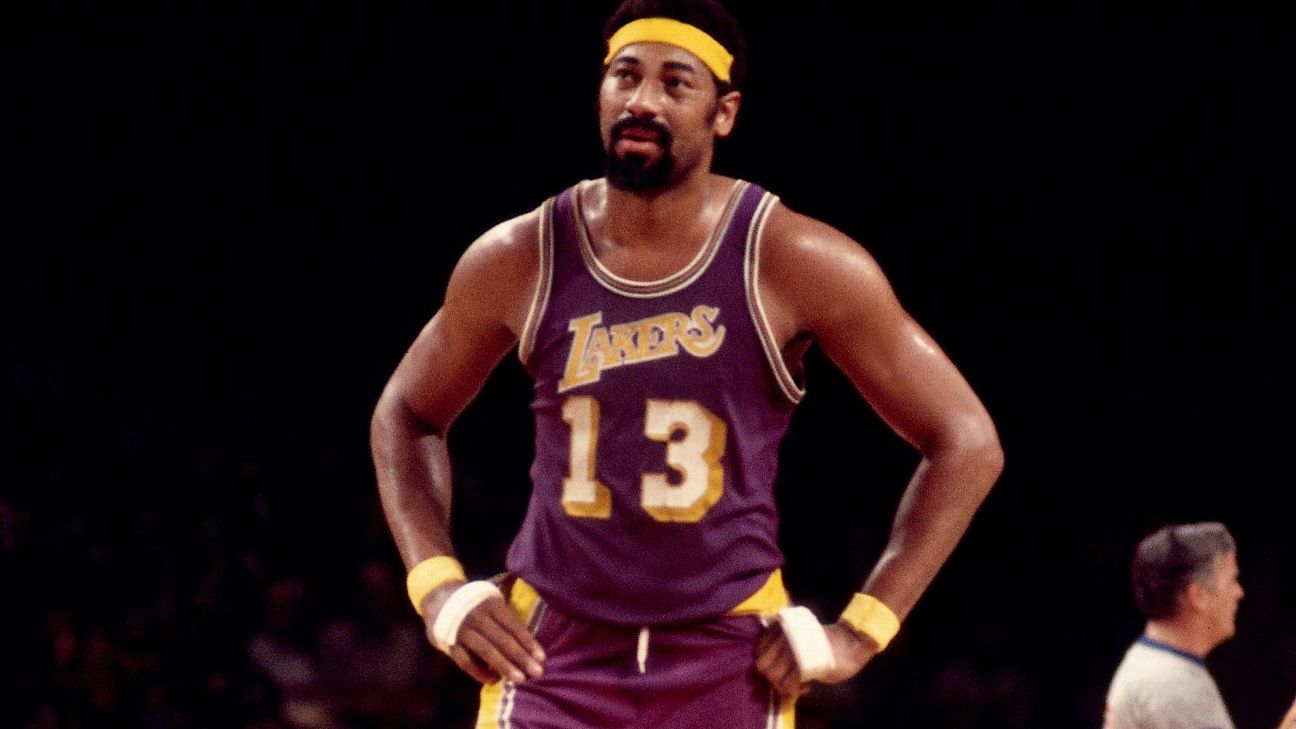
Wilt Chamberlain’s statistics are so extreme that discussion often stops at amazement. A better analysis asks what the numbers represent, which data were recorded, how pace and minutes affected opportunity, and how his role changed across teams and seasons.
The 100-point game
Chamberlain scored 100 points for Philadelphia against New York on March 2, 1962. The achievement remains the NBA single-game scoring record. There is no complete game video, so historians rely on radio material, photographs, records, and participant accounts.
Why the 1961–62 season needs pace context
He averaged 50.4 points and 48.5 minutes per game. Teams played at a much faster pace than many later eras, and Chamberlain rarely left the floor. More possessions and minutes created more statistical opportunities, but they do not make the physical workload or performance ordinary.
What the box score cannot fully show
| Missing or limited measure | Why it matters |
|---|---|
| Official blocks | Blocks were not yet an official NBA statistic |
| Possession data | Limits precise efficiency comparisons |
| Complete game film | Reduces tactical and defensive evaluation |
| Role changes | Scoring, passing, and defensive priorities varied by season |
From scorer to broader offensive hub
Chamberlain later reduced scoring volume, led the league in assists, and emphasized defense and rebounding on championship teams. This evolution is evidence that individual statistics respond to team strategy and player choices.
A responsible record-comparison checklist
- Use per-game and per-minute numbers together.
- Estimate possessions where reliable research permits.
- Account for rules, league size, travel, and medicine.
- Separate documented facts from anecdotes.
Sources
Older statistics can be incomplete; distinguish official records from estimates.
