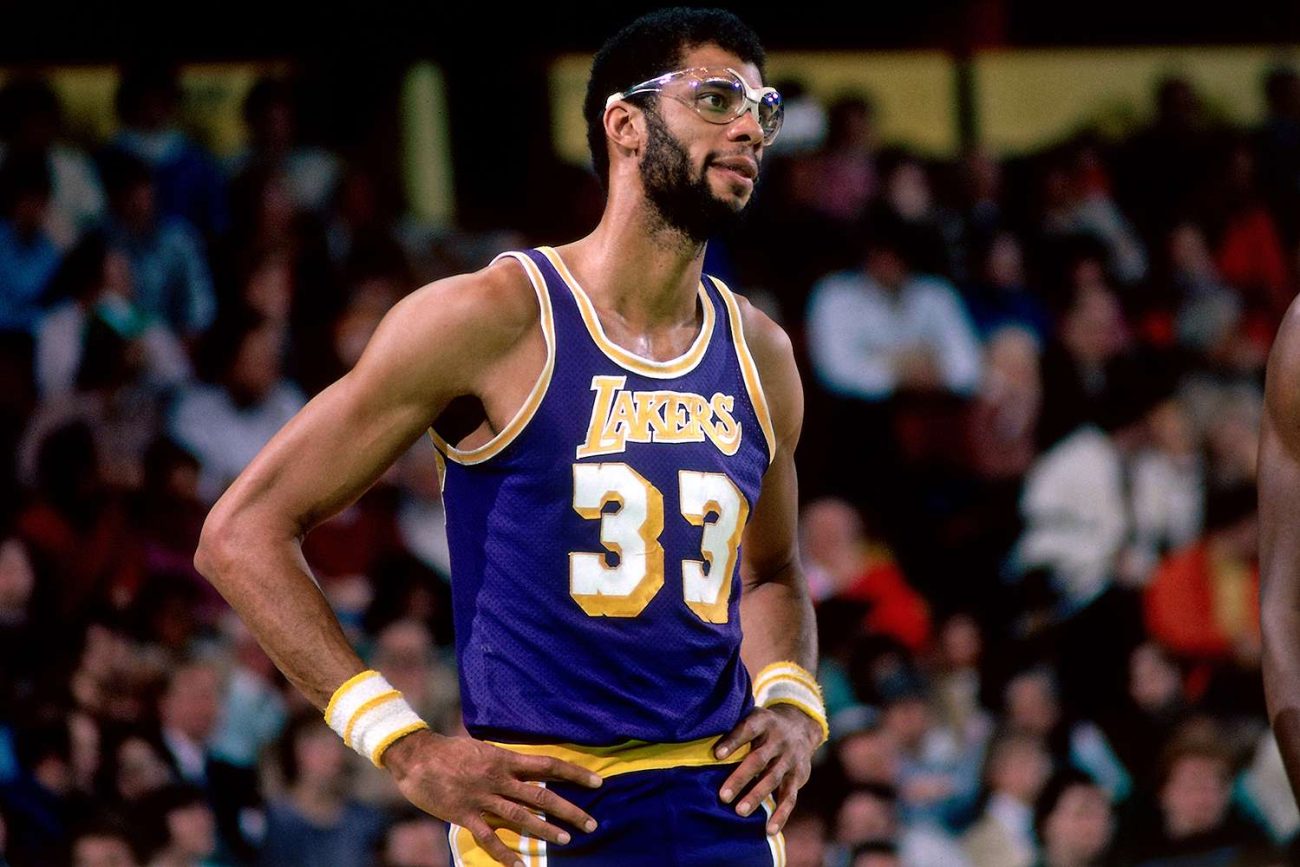
Kareem Abdul-Jabbar combined an iconic shot with unusual longevity, defensive value, rebounding, and sustained adaptation. The skyhook mattered because it was repeatable under pressure, released high above defenders, and connected to footwork rather than relying on a single physical advantage.
Why the skyhook was difficult to defend
Abdul-Jabbar used his body to protect the ball, stepped into balance, extended the shooting arm away from the defender, and released with height and touch. He could use the shot from different angles, which reduced the value of simply forcing him toward one side.
The shot’s connected skills
| Skill | Purpose |
|---|---|
| Early seal | Creates a useful catch position |
| Footwork | Builds balance and shooting angle |
| Ball protection | Keeps the defender from reaching across |
| Touch | Controls distance and backboard angle |
Longevity was an active process
His career spanned 20 NBA seasons. Skill, conditioning, role adjustment, recovery practices, and team context all contributed. Longevity should not be reduced to one exercise or dietary habit, and modern players should not copy routines without appropriate medical and coaching guidance.
Impact beyond scoring
Abdul-Jabbar was a major rebounder and shot blocker, although blocks were not recorded during his earliest NBA seasons. His titles with Milwaukee and Los Angeles came in different roles and tactical environments.
How to practice a hook shot safely
- Learn a balanced close-range finish without jumping into contact.
- Use both hands for simple hooks before increasing distance.
- Keep the non-shooting arm legal and controlled.
- Add a passive defender only after consistent footwork.
- Stop if shoulder, back, knee, or ankle pain develops.
Sources
Skill training should be age-appropriate and supervised by a qualified coach.
