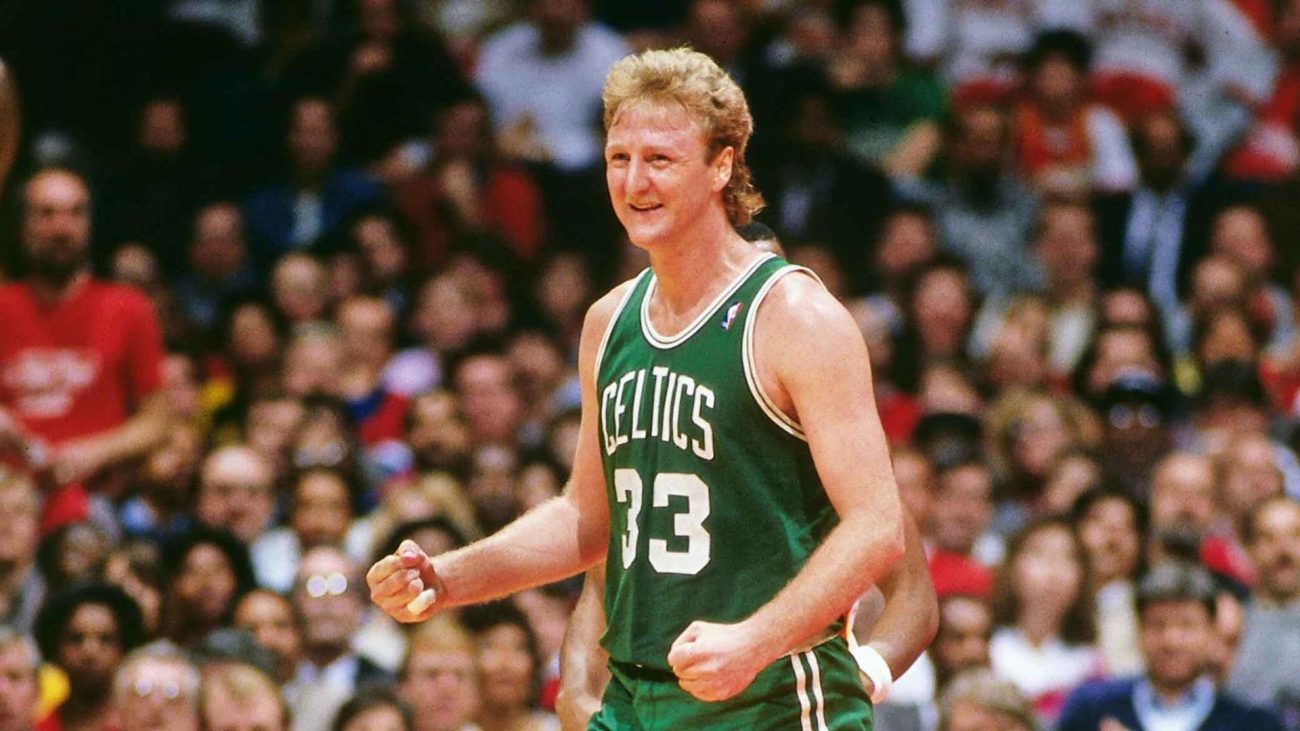
Larry Bird’s reputation is often reduced either to shooting or to competitive stories. His broader value came from processing the floor early, passing from unusual angles, rebounding, creating efficient shots, and making teammates more dangerous within Boston’s half-court offense.
He solved possessions before receiving the ball
Bird frequently knew the next pass, shot, or cut before the catch. That preparation reduced holding time and allowed Boston to attack a defense while it was shifting. Anticipation is trainable through scanning, film study, and small-sided games.
A multidimensional offensive role
| Skill | Effect |
|---|---|
| Shooting | Forced defenders to close space |
| Passing | Rewarded cutters and punished double-teams |
| Post play | Created mismatches and inside-out offense |
| Rebounding | Ended possessions and started transition |
Competition and team context
Bird played with outstanding teammates and within strong coaching structures. Recognizing that context does not diminish him; it explains how elite decision-making and team design amplified each other.
Comparing Bird with modern forwards
Today’s spacing, defensive rules, three-point volume, and positionless lineups differ from the 1980s. Comparisons should use pace-adjusted production, role, efficiency, and available film rather than assuming a player would remain unchanged after modern training.
Practical learning points
- Scan weak-side defenders before the catch.
- Pass to where a teammate is moving, not where they began.
- Rebound outside your assigned area when positioning permits.
- Use shot fakes to create a better decision, not only a shot.
Sources
Historical comparison should account for pace, rules, roles, and team context.
