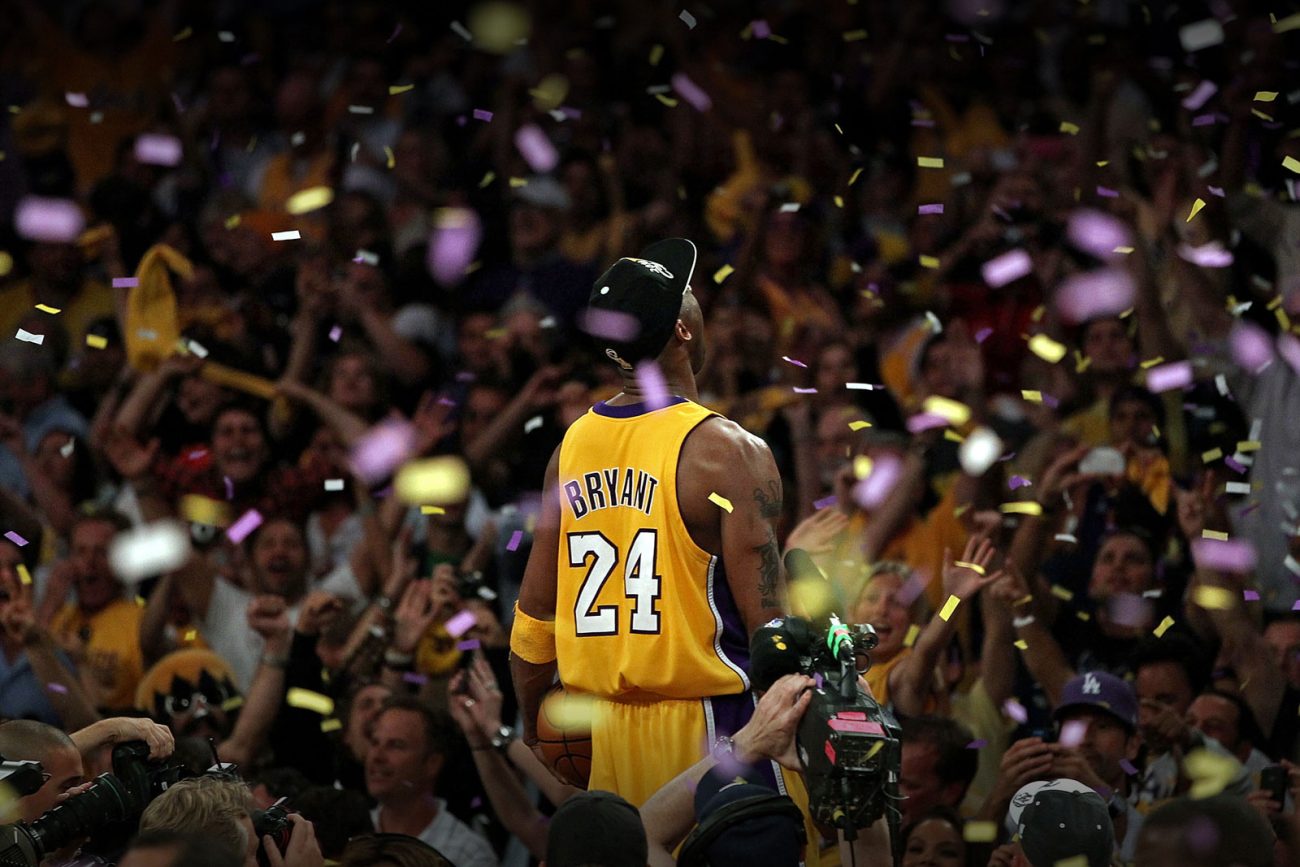
Kobe Bryant’s legacy includes five championships, two Finals MVP awards, an MVP season, elite scoring, long-term skill development, and significant influence on later players. A balanced evaluation also examines shot selection, team context, injuries, defensive role, and how his game changed with age.
A layered scoring toolkit
Bryant attacked from the post, midrange, three-point line, and transition. Footwork and balance helped him create shots when the first action failed. His ability to attempt difficult shots was valuable late in possessions, but difficulty should not be confused with optimal shot quality.
How his role evolved
| Career phase | Primary context |
|---|---|
| Early years | Development beside veteran teammates and Shaquille O’Neal |
| First title run | Two-star structure within the triangle offense |
| High-usage middle years | Greater creation burden and changing rosters |
| Later titles | Post skill, experience, and balanced frontcourt support |
Defense requires year-by-year evaluation
Bryant earned repeated All-Defensive recognition and could apply strong pressure, but reputation, workload, and consistency varied. Film, matchup assignment, team scheme, and season-specific effort provide a better picture than career labels.
Lessons for developing players
- Build balance and footwork before difficult counters.
- Use film to identify a repeatable mistake.
- Practice creating an advantage, not merely fading away.
- Learn when to pass after drawing help.
- Include sleep and recovery in the development plan.
Sources
Pain and suspected concussion require appropriate medical assessment; development is not improved by unsafe overtraining.
