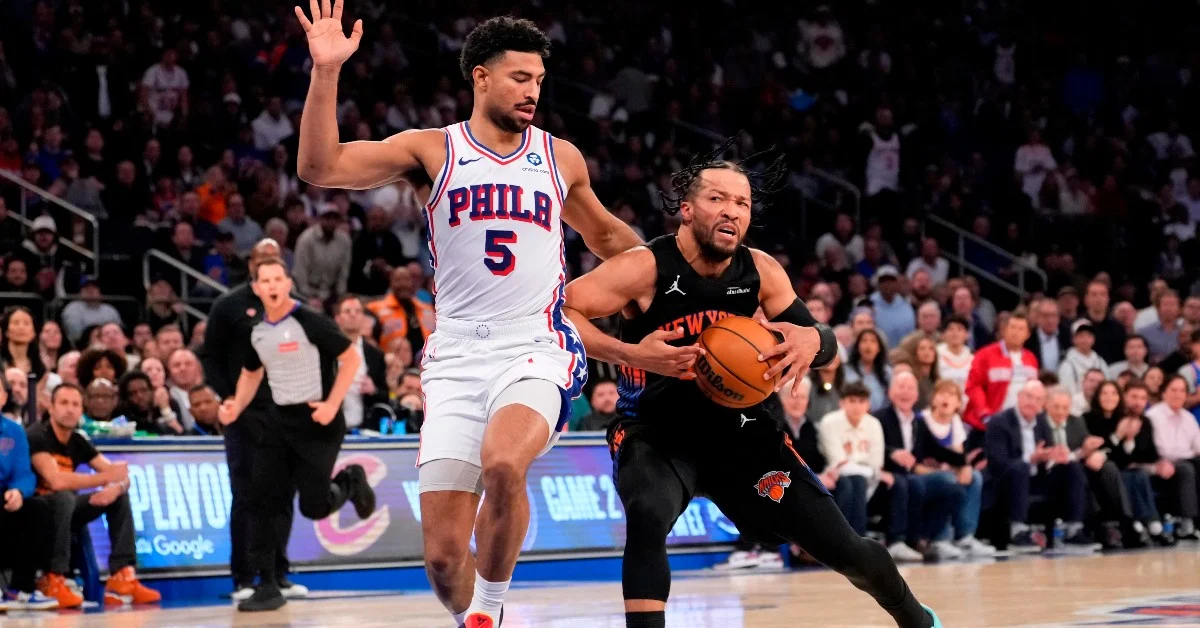
NBA culture is the collection of playing styles, labor relationships, fashion, language, media habits, and fan communities that developed around the league. It did not appear at once, and it cannot be explained only through famous players. Changes in television, economics, technology, and international participation all shaped it.
Early professional identity
The Basketball Association of America began play in 1946 and merged with the National Basketball League in 1949, creating the NBA. Early teams were promoted as local entertainment, and national television exposure was limited. The league’s identity was closely tied to arenas, newspaper coverage, and regional rivalries.
Integration and the changing player population
The arrival and growing influence of Black players transformed how the game was played and marketed, while also exposing racism in sport and society. Player activism has remained part of NBA culture, from labor and civil-rights issues to later debates about education, policing, voting, and community investment.
Television turned stars into shared culture
National broadcasts made rivalries and individual styles visible beyond local markets. The 1980s rivalry between the Boston Celtics and Los Angeles Lakers helped restore attention, while the global popularity of Michael Jordan and the Chicago Bulls in the 1990s connected basketball with advertising, footwear, music, and youth identity.
Four forces behind modern NBA culture
| Force | Effect |
|---|---|
| Player movement | Free agency and trades made roster building part of year-round discussion |
| Analytics | Shot selection, spacing, lineup data, and efficiency changed strategy |
| Social media | Players communicate directly and every possession can become a global clip |
| International talent | Different development systems and playing traditions influence the league |
How style changed on the court
Rule changes, coaching ideas, and improved shooting expanded the value of spacing. Teams increased three-point volume and used versatile lineups that switch defensive assignments. These trends did not eliminate post play or midrange scoring; they changed when those options are efficient.
The NBA as a global league
International players were once treated as exceptions. Today, many arrive through professional academies, national-team systems, U.S. colleges, or Basketball Without Borders. International MVPs and champions have made it inaccurate to describe elite basketball development as a single American pathway.
How to study culture without reducing it to nostalgia
Claims that one era was universally “tougher,” “more skilled,” or “more team-oriented” should be tested against rules, pace, shot distribution, training, travel, and expansion. Video and statistics provide evidence, but neither is complete without historical context.
Sources
Historical interpretation involves judgment; dates and statistical claims should be checked against linked records.
