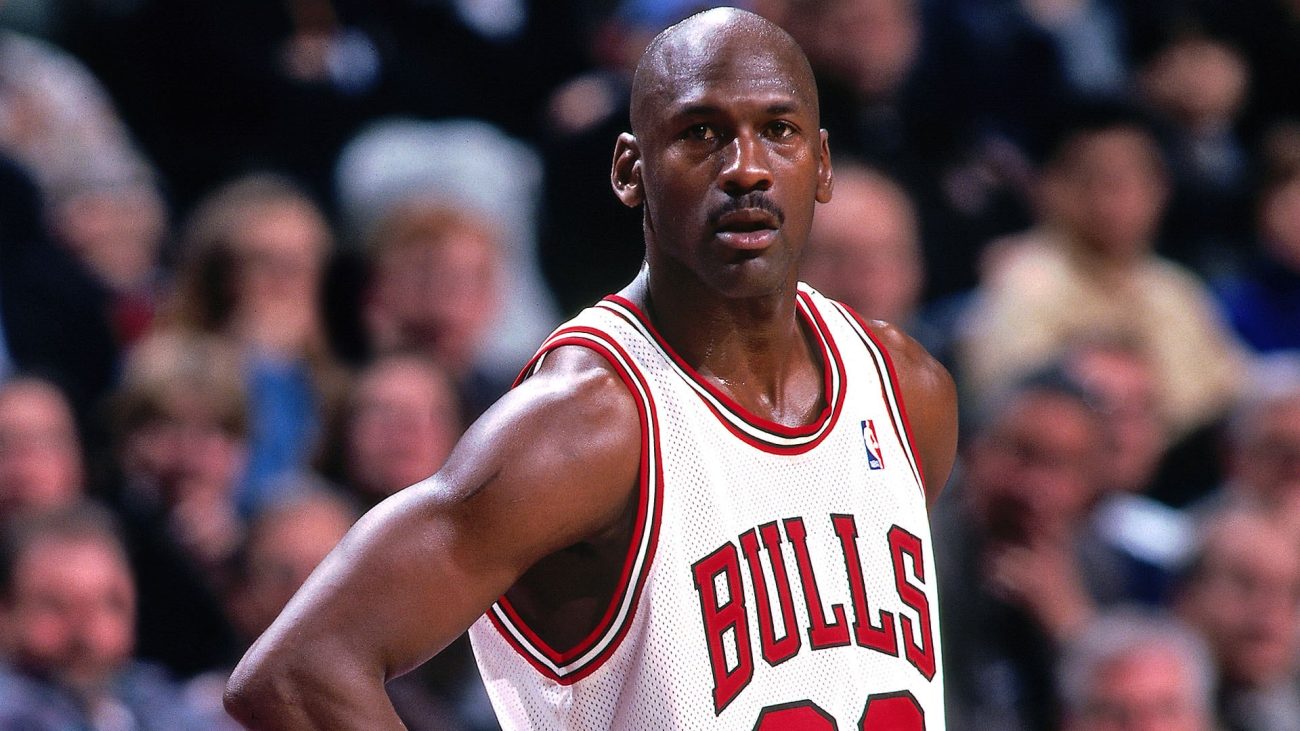
Michael Jordan’s case among basketball’s greatest players rests on more than six championships. His combination of scoring efficiency, high-volume creation, perimeter defense, athletic finishing, footwork, competitive longevity, and team success made him a defining figure in the NBA’s global expansion.
How he created scoring advantages
Jordan attacked gaps before defenses were set, elevated in the midrange, posted smaller guards, and used footwork to create separation. As he aged, his game relied more on balance, timing, post position, and shot counters.
Scoring was connected to team structure
| Team element | Effect |
|---|---|
| Triangle spacing | Created reads and reduced predictable isolation |
| Scottie Pippen’s creation | Shared transition and defensive responsibility |
| Rebounding specialists | Extended possessions and handled frontcourt matchups |
| Shooting and passing roles | Punished help defense |
Defense and gambling
Jordan could pressure the ball, deny passing lanes, and create transition chances. Steals alone do not prove complete defense: positioning, opponent assignment, help responsibility, and the risks of reaching must also be considered.
Why perfect Finals results are not the whole argument
Winning six Finals without a loss is historically important, but team evaluation should include earlier playoff defeats, opponent strength, roster development, and the conditions that made later championships possible. Team championships are evidence of performance, not individual statistics.
Comparing Jordan across eras
- Adjust for pace and scoring environment.
- Account for defensive and illegal-defense rules.
- Compare roles and team spacing.
- Use film and statistics together.
- Avoid assuming any player would remain unchanged in another era.
Sources
Historical rankings include judgment; supporting facts should be checked against reliable records.
