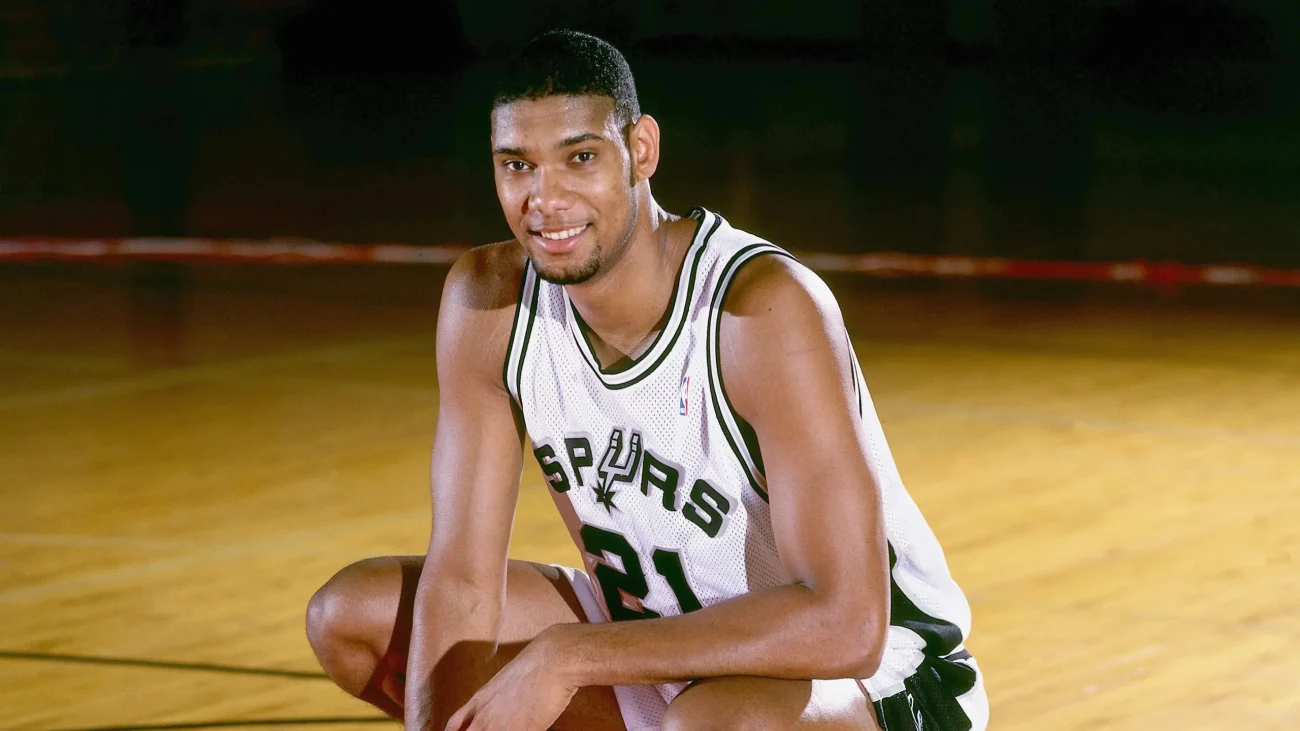
Tim Duncan’s greatness is sometimes explained through personality: quiet, unselfish, dependable. Those descriptions are incomplete. His basketball value came from repeatable decisions, defensive positioning, efficient interior offense, screening, rebounding, and the ability to support different teammates across nearly two decades.
Defense without chasing highlights
Duncan protected the rim, controlled defensive rebounding, and positioned himself to discourage drives. Blocks capture only the shots he touched. Good positioning can force a pass, change a release, or prevent an attempt before it begins.
A stable offensive toolkit
| Skill | Team value |
|---|---|
| Post scoring | Created a reliable half-court option |
| Bank shot and short jumper | Punished defenders who protected the paint |
| Screening | Created separation for guards |
| Passing | Connected cutters and weak-side shooters |
Adaptation across Spurs eras
San Antonio moved from slower post-oriented teams to faster, more movement-based offense. Duncan’s usage and minutes changed, but his screening, passing, defense, and rebounding allowed the team to evolve without abandoning its foundation.
Leadership through role acceptance
Duncan’s willingness to accept coaching and reduced offensive responsibility helped create stability, but leadership should not be romanticized as silence. Communication, preparation, and performance under pressure were the evidence.
How young bigs can learn from him
- Arrive early to help without abandoning the rim.
- Finish with balance before adding difficult moves.
- Set screens with legal position and useful angles.
- Rebound by finding a body before finding the ball.
- Pass quickly when a double-team commits.
Sources
Skill work should be scaled to age, experience, and health with qualified coaching.
