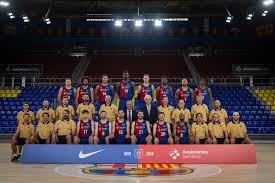
FC Barcelona’s basketball section operates inside one of the world’s most visible multisport institutions. That brings resources, audience, and tradition, but also unusual pressure. The club is judged not only by wins but by whether its style, development, and European results match expectations associated with the Barcelona name.
A distinct basketball history
The basketball section dates to the 1920s and has won major domestic and European honors, including EuroLeague titles in 2003 and 2010. Its history should not be treated as an extension of the football team; basketball has its own coaches, tactical eras, rivalries, and supporter traditions.
The 2003 breakthrough
Winning the EuroLeague in Barcelona ended a long pursuit of Europe’s leading club title. The achievement joined local pressure, experienced talent, and home support. It also illustrates how a single tournament result can change how an institution evaluates previous near-misses.
What a large budget can and cannot solve
| Advantage | Remaining challenge |
|---|---|
| Access to established talent | Defining roles and minutes |
| Deep support infrastructure | Managing injuries and expectations |
| Strong academy and scouting network | Creating real pathways to senior responsibility |
| Global visibility | Maintaining patience during tactical change |
The Real Madrid rivalry
Basketball’s El Clásico combines competitive history with broader institutional rivalry. For analysis, symbolism should not hide the basketball questions: Which team controls transition? Who wins the rebounding margin? How are primary creators defended? Which bench lineups survive?
Development versus immediate winning
High-expectation clubs often face tension between developing young players and signing veterans ready for decisive games. A credible pathway requires more than academy reputation; it requires planned minutes, clear roles, physical development, and tolerance for mistakes.
A viewer’s evaluation checklist
- Use official rosters and current competition rules.
- Compare domestic and EuroLeague performance separately.
- Watch defensive rotations, not only scoring highlights.
- Track how lineups perform when the first option rests.
- Distinguish club history from the strengths of the current team.
Sources
Current rosters, results, and competition formats should be checked with official sources.
