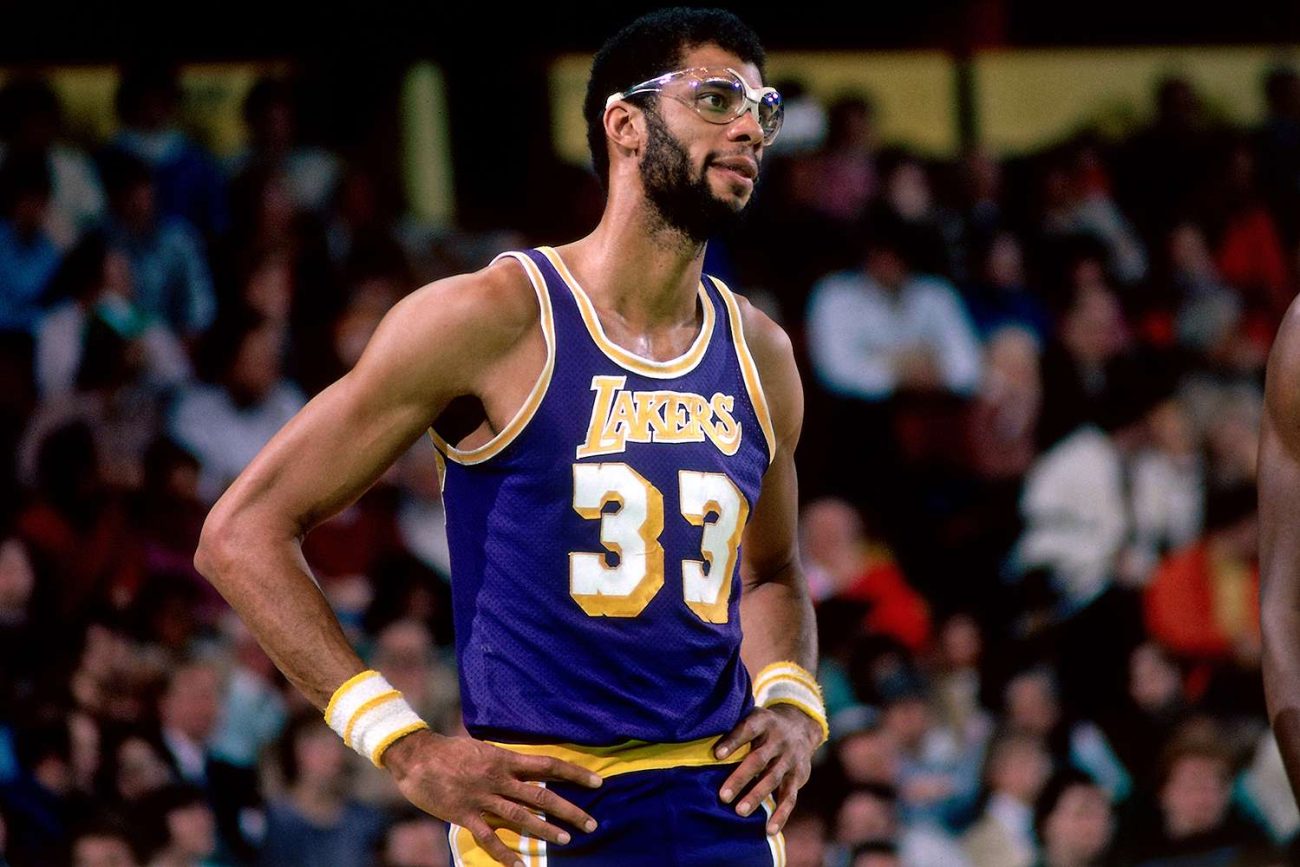
Few athletes in the history of sports have achieved the level of success, influence, and longevity that Kareem Abdul-Jabbar has. Widely regarded as one of the greatest basketball players of all time, Kareem dominated the game for two decades with his unique skills, unmatched consistency, and intellectual approach to both sports and life. His remarkable career, highlighted by six NBA championships, six Most Valuable Player awards, and the iconic skyhook shot, has left an enduring legacy that continues to inspire basketball fans around the world.
Early Life and Childhood
Kareem Abdul-Jabbar was born Ferdinand Lewis Alcindor Jr. on April 16, 1947, in New York City. Growing up in the Harlem neighborhood of Manhattan, he stood out from an early age due to his extraordinary height. By the time he was in elementary school, he was already significantly taller than most of his classmates.
Despite his physical advantages, Kareem was also known for his intelligence and curiosity. He enjoyed reading books and learning about history, culture, and social issues. His parents emphasized the importance of education, and these values would remain important throughout his life.
Basketball quickly became a natural fit for the young Alcindor. His height, coordination, and athletic ability allowed him to dominate youth competitions, and it soon became clear that he possessed rare talent.
Dominating High School Basketball
Kareem attended Power Memorial Academy, a Catholic high school in New York City, where he became one of the most celebrated high school basketball players in American history.
During his time there, his teams achieved extraordinary success. Power Memorial won multiple city championships and established an impressive winning streak. Kareem’s performances attracted national attention, and many experts already believed he would become a future basketball superstar.
By the time he graduated, he had scored thousands of points and earned recognition as one of the greatest high school players ever. Colleges across the country eagerly sought his commitment.
Success at UCLA
Kareem chose to attend the University of California, Los Angeles (UCLA), where he played under legendary coach John Wooden.
His college career was nothing short of extraordinary. During his three seasons at UCLA, the team won three consecutive NCAA national championships and compiled one of the most dominant records in college basketball history.
At the time, freshmen were not allowed to play varsity basketball. Even so, Kareem demonstrated his superiority by leading the freshman team to victory over the defending national champion varsity squad during a practice game.
His dominance was so overwhelming that some observers joked that he seemed almost unfair to opponents. In fact, the NCAA temporarily banned dunking during much of his college career, a rule many believed was introduced largely because of his incredible effectiveness near the basket.
By the end of his college years, Kareem had established himself as the most accomplished player in collegiate basketball.
Entering the NBA
In 1969, Kareem entered the NBA Draft and was selected first overall by the Milwaukee Bucks.
His impact was immediate. In his rookie season, he averaged more than 28 points per game and won the NBA Rookie of the Year Award. His combination of size, skill, and intelligence made him nearly impossible to defend.
Just two years after joining the league, Kareem led the Bucks to their first NBA championship in franchise history. Alongside Hall of Fame guard Oscar Robertson, he helped transform Milwaukee into one of the league’s most successful teams.
His dominance was recognized through multiple MVP awards, establishing him as the premier player of the 1970s.
Becoming Kareem Abdul-Jabbar
One of the most significant moments in his life occurred off the basketball court.
In the early 1970s, he converted to Islam and changed his name from Lew Alcindor to Kareem Abdul-Jabbar. The name means “noble servant of the Almighty.”
This decision reflected his personal beliefs and desire to embrace his cultural identity. While the change initially surprised some fans and media members, Kareem remained committed to living according to his principles.
Throughout his life, he has spoken openly about faith, equality, and social justice, becoming one of the most thoughtful voices in professional sports.
The Skyhook: Basketball’s Most Unstoppable Shot
Perhaps no move in basketball history is more closely associated with a single player than Kareem’s famous skyhook.
The skyhook involved extending one arm high above defenders while releasing the ball in a smooth sweeping motion. Because of Kareem’s height and long reach, opponents found it nearly impossible to block.
The shot became his signature weapon and helped him score tens of thousands of points throughout his career.
Even decades after his retirement, many basketball experts consider the skyhook the most effective offensive move ever developed. Despite its effectiveness, very few players have been able to master it as successfully as Kareem did.
The Lakers Dynasty
In 1975, Kareem was traded to the Los Angeles Lakers, where he would spend the remainder of his career.
With the Lakers, he became part of one of the greatest dynasties in NBA history. His partnership with Magic Johnson helped create the famous “Showtime Lakers” of the 1980s.
Together, they won five NBA championships and thrilled fans with their exciting style of play. While Magic Johnson often received attention for his flashy passes and leadership, Kareem remained the team’s dependable anchor, contributing scoring, rebounding, and defense.
Even as he aged, Kareem continued to perform at an elite level. His discipline, conditioning, and basketball intelligence allowed him to remain effective well into his late thirties and early forties.
Breaking Records
Throughout his career, Kareem achieved numerous milestones.
He won six NBA championships and six NBA MVP awards, which remains an NBA record. He was selected to 19 NBA All-Star Games and earned countless individual honors.
For nearly four decades, Kareem held the record for the most points scored in NBA history. His career total of 38,387 points stood as one of basketball’s most remarkable achievements.
His scoring record reflected not only his talent but also his consistency and longevity. Few athletes in any sport have maintained such a high level of performance for such an extended period.
Life After Basketball
After retiring in 1989, Kareem remained active in many different fields.
He became a successful author, writing books about history, culture, and sports. He also worked as a commentator, public speaker, and educator.
Unlike many retired athletes who focus solely on sports, Kareem developed a reputation as an intellectual and advocate for social causes. He frequently writes articles addressing issues such as education, civil rights, and public policy.
His thoughtful commentary has earned respect far beyond the basketball community.
Legacy and Influence
Kareem Abdul-Jabbar’s legacy extends far beyond statistics and championships.
He demonstrated that athletes can excel both physically and intellectually. His commitment to education, social responsibility, and personal growth made him a role model for generations of fans.
On the basketball court, he revolutionized the center position with his skill and finesse. Off the court, he used his platform to encourage meaningful discussions about society and culture.
Many modern NBA stars cite Kareem as an inspiration, not only because of his achievements but also because of the way he conducted himself throughout his life.
Conclusion
Kareem Abdul-Jabbar’s journey from a young boy in New York City to one of the greatest basketball players in history is a story of excellence, discipline, and purpose. Through his record-breaking career, iconic skyhook shot, championship success, and intellectual contributions, he established a legacy that few athletes can match.
Today, Kareem remains a symbol of greatness both on and off the court. His achievements continue to inspire basketball players, students, and leaders around the world. More than a sports legend, he is an example of how talent, hard work, and character can create a truly lasting impact.
