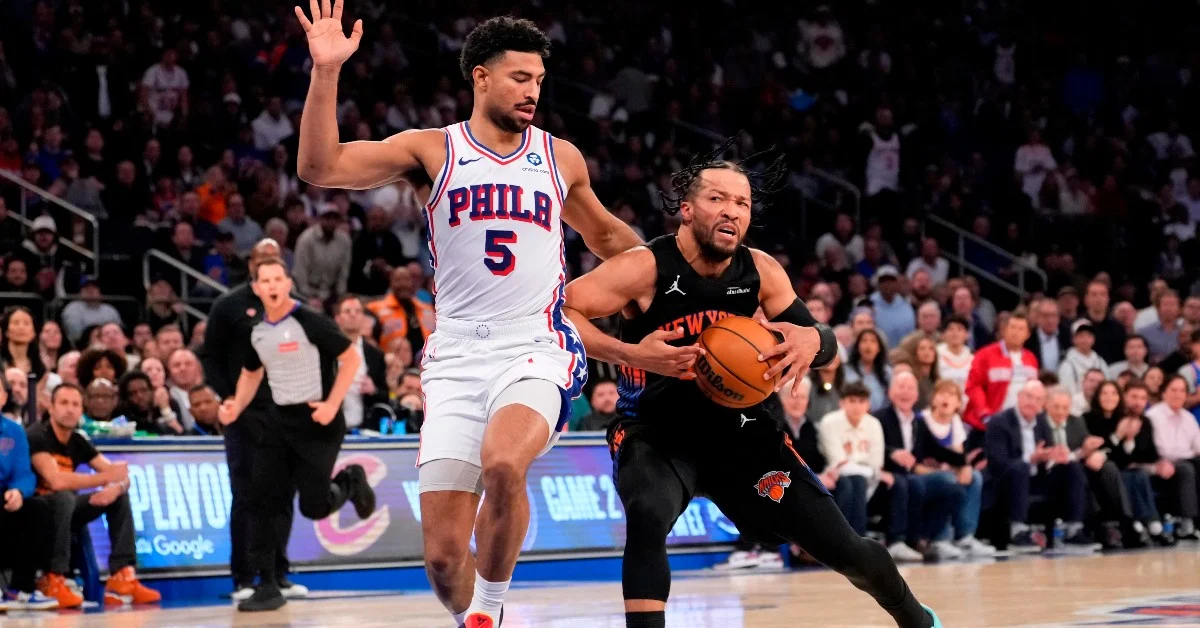
The National Basketball Association (NBA) is much more than a professional basketball league. Over the decades, it has evolved into a global cultural phenomenon that influences sports, fashion, music, entertainment, and social movements. Today, NBA culture reaches millions of fans across continents, but its origins can be traced back to humble beginnings in mid-20th-century America. Understanding the roots of NBA culture helps explain how the league became one of the most influential sports organizations in the world.
The Birth of the NBA
The NBA was founded in 1946 as the Basketball Association of America (BAA). At the time, professional basketball was far less popular than baseball, boxing, or American football. The league’s founders believed that basketball could attract large crowds by playing games in major arenas located in large cities.
In 1949, the BAA merged with the National Basketball League (NBL), creating what is now known as the NBA. During its early years, the league struggled to gain widespread attention. Games were slower, television exposure was limited, and many teams faced financial difficulties. However, the foundation for a unique basketball culture was gradually being established.
The early stars of the league, such as George Mikan, helped popularize professional basketball. Mikan’s dominance demonstrated that basketball could showcase elite athletic talent and create excitement for fans. His success marked the beginning of basketball’s transformation into a mainstream professional sport.
The Rise of Superstar Players
One of the defining characteristics of NBA culture is its focus on individual stars. Unlike many team sports, basketball allows a single player to have a significant impact on the outcome of a game.
During the 1960s, players like Bill Russell and Wilt Chamberlain became household names. Their rivalry helped attract national attention to the league. Russell’s Boston Celtics represented teamwork, defense, and winning, while Chamberlain’s individual achievements showcased extraordinary athletic ability.
As television became more popular, fans developed emotional connections with players. The NBA recognized the marketing potential of star athletes and began promoting its biggest personalities. This focus on individual excellence would become a cornerstone of NBA culture.
The Magic-Bird Era
The NBA experienced a major cultural breakthrough in the 1980s thanks to the rivalry between Magic Johnson and Larry Bird. Their competition began in college basketball and continued when they entered the NBA.
Magic Johnson led the Los Angeles Lakers, while Larry Bird became the face of the Boston Celtics. Their contrasting styles, personalities, and team identities captivated audiences. The Lakers represented speed, entertainment, and Hollywood glamour. The Celtics embodied tradition, toughness, and teamwork.
Television ratings increased dramatically during this period. Fans became invested not only in games but also in the stories surrounding players and teams. The NBA started to develop a strong narrative-driven culture that remains important today.
The success of Magic and Bird helped transform the NBA from a struggling league into a major sports property with national appeal.
Michael Jordan and Global Expansion
No individual had a greater influence on NBA culture than Michael Jordan. Entering the league in 1984, Jordan quickly became one of the most exciting athletes in the world.
His combination of athleticism, competitiveness, and charisma elevated basketball to new heights. Jordan’s partnership with Nike led to the creation of the Air Jordan brand, which revolutionized sports marketing and sneaker culture.
For the first time, basketball shoes became fashion statements. Fans wanted to dress like their favorite players, creating a connection between sports and street culture. This trend continues to define NBA culture today.
Jordan’s success with the Chicago Bulls during the 1990s helped the NBA expand internationally. Television broadcasts reached new countries, and basketball became one of the world’s fastest-growing sports. Young athletes from Europe, Asia, Africa, and South America began dreaming of playing in the NBA.
The league was no longer just an American institution—it had become a global brand.
The Influence of Hip-Hop and Fashion
Another unique aspect of NBA culture is its close relationship with music, particularly hip-hop. Beginning in the 1980s and accelerating in the 1990s, NBA players became closely associated with hip-hop culture.
Players often expressed themselves through music, fashion, and personal style. The NBA gradually evolved into a platform where athletes could showcase their individuality beyond basketball.
Baggy clothing, designer brands, luxury accessories, and custom sneakers became common elements of player culture. Tunnel walks before games transformed into fashion showcases, with fans eagerly following players’ outfits on social media.
This connection between basketball and popular culture helped attract younger audiences and broaden the league’s appeal beyond traditional sports fans.
International Players and Diversity
The globalization of the NBA has significantly shaped modern league culture. In its early decades, the NBA was primarily composed of American-born players. Today, the league features athletes from dozens of countries.
International stars such as Hakeem Olajuwon, Dirk Nowitzki, Yao Ming, Manu Ginóbili, Giannis Antetokounmpo, Nikola Jokić, and Luka Dončić have become some of the most recognizable faces in basketball.
Their success has expanded the NBA’s fan base worldwide and introduced diverse playing styles to the league. Basketball culture now reflects a blend of international influences, making the NBA one of the most diverse professional sports organizations in the world.
The league actively celebrates cultural diversity through international games, global marketing campaigns, and community outreach programs.
Social Activism and Player Empowerment
Modern NBA culture is also defined by player empowerment and social activism. Historically, athletes were expected to focus solely on sports. However, many NBA players have used their platforms to advocate for social change.
Players such as Kareem Abdul-Jabbar, Bill Russell, LeBron James, and Chris Paul have spoken openly about issues affecting society. The NBA has generally supported players’ rights to express their views, creating an environment where athletes can engage in important conversations.
This emphasis on social responsibility distinguishes NBA culture from many other sports leagues. Fans increasingly view players not only as athletes but also as leaders and role models.
The Digital and Social Media Era
The rise of social media has transformed NBA culture in the 21st century. Platforms such as Instagram, X, TikTok, and YouTube allow fans to interact directly with players and teams.
Highlights can be viewed instantly, and players can build personal brands independent of their organizations. Fans no longer consume basketball only through television broadcasts; they engage with NBA content throughout the day.
This constant accessibility has strengthened the emotional connection between players and fans. NBA culture now extends beyond the basketball court into everyday digital life.
The league has embraced technology more effectively than many other sports organizations, helping maintain its popularity among younger generations.
Why NBA Culture Matters
NBA culture is unique because it combines athletic competition with entertainment, fashion, music, business, and social influence. It has created an ecosystem where players are not just athletes but also global celebrities, entrepreneurs, and cultural icons.
The league’s ability to adapt to changing trends has allowed it to remain relevant for generations. From the early days of George Mikan to the global superstardom of today’s players, NBA culture has continuously evolved while maintaining its core values of competition, excellence, and innovation.
Conclusion
The origins of NBA culture can be traced back to the league’s formation in the 1940s, but its influence has grown far beyond basketball. Through legendary rivalries, iconic players, international expansion, fashion, music, and social activism, the NBA has become one of the most powerful cultural forces in modern sports.
Today, NBA culture inspires millions of people around the world. It represents more than winning games or championships—it reflects creativity, self-expression, ambition, and the pursuit of greatness. As basketball continues to grow globally, the culture surrounding the NBA will undoubtedly remain a major influence on sports and society for generations to come.
