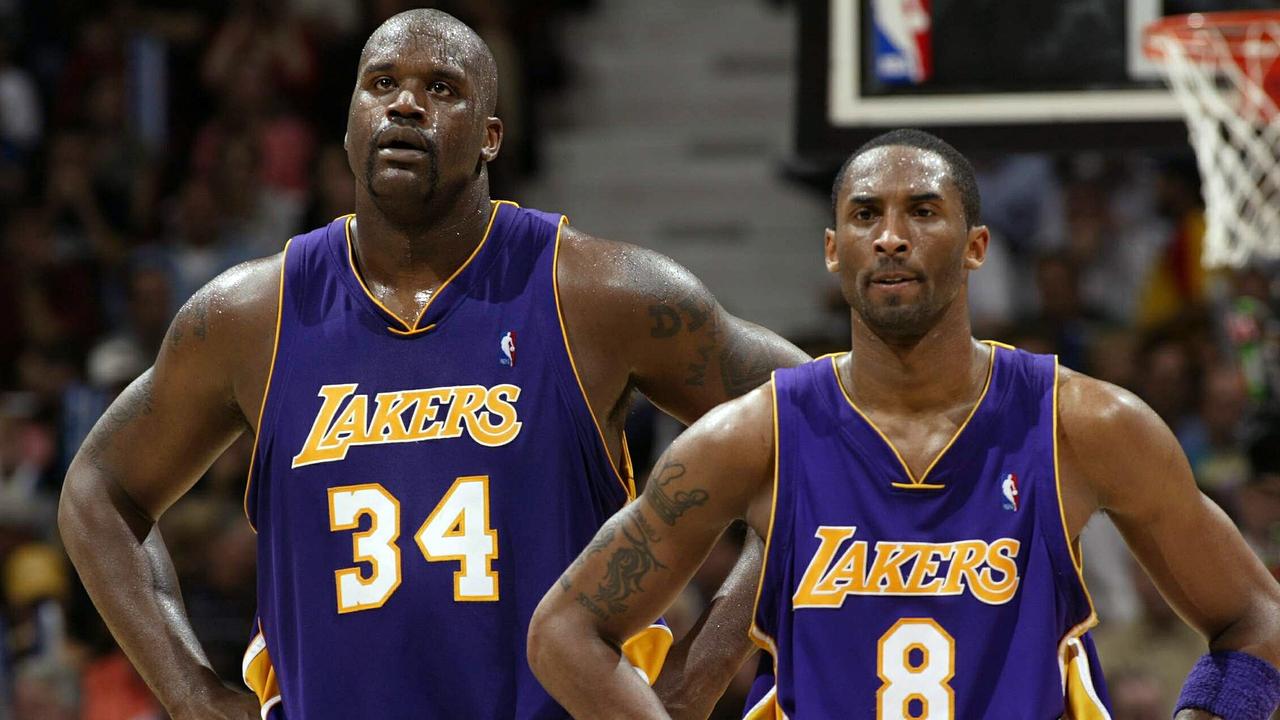
Shaquille O’Neal was not dominant simply because he was large. His value came from combining exceptional size with speed, balance, footwork, deep post position, passing awareness, and the ability to force opponents into roster and foul-management decisions.
How he created high-value shots
O’Neal ran the floor, sealed defenders early, established position close to the rim, and finished through contact. The closer he caught the ball, the fewer dribbles and defensive rotations were available. Entry-pass timing was therefore as important as a post move.
The strategic pressure
| Defensive response | Tradeoff |
|---|---|
| Single coverage | Risked efficient paint scoring and fouls |
| Early double-team | Opened passing lanes and weak-side shots |
| Fronting the post | Required help against lob passes and rebounds |
| Intentional fouling | Used roster fouls and disrupted normal defense |
Free throws and the limits of one weakness
O’Neal’s free-throw shooting was a genuine weakness, but it did not erase his total impact. Analysts should compare the points prevented by fouling with bonus situations, offensive rebounds, foul trouble, and the opponent’s disrupted rotation.
What modern centers can learn
- Sprint into position before the defense is organized.
- Create a wide, legal target for entry passes.
- Finish with balance and protect the ball.
- Recognize where the double-team comes from.
- Improve conditioning and free throws without copying unsafe physical loads.
Sources
Post training should be supervised and adapted to the athlete’s age, body, and experience.
